Basement Waterproofing Solutions for Finished Basements
People seeking basement waterproofing solutions for finished basements aim to prevent moisture and water damage, and local contractors can provide effective methods to keep basements dry and protected.
Homeowners with finished basements often find themselves exploring basement waterproofing solutions to protect their living spaces from water intrusion and moisture issues. If you're noticing signs like dampness, musty odors, or water stains, it’s natural to seek practical ways to safeguard your property. This page is designed to help you understand how local service providers can assist with effective waterproofing methods tailored specifically for finished basements, ensuring your space remains dry and comfortable.
Property owners in the area may consider waterproofing their finished basements for a variety of reasons, including preventing structural damage, avoiding mold growth, and maintaining a healthy indoor environment. As you read through this information, keep in mind that experienced local contractors offer a range of basement waterproofing solutions that can address common concerns and help preserve the integrity of your home. Exploring these options can lead to a more secure, dry, and enjoyable basement space.
- Basement waterproofing for finished basements - homeowners experiencing dampness or water intrusion in their finished spaces can rely on local contractors to implement effective waterproofing strategies.
- Leak prevention in finished basements - when basement leaks threaten to damage furnishings or compromise the space, service providers can assess and install appropriate waterproofing solutions.
- Moisture control for completed basements - individuals noticing high humidity or mold growth in finished areas can turn to local pros for moisture barriers and drainage improvements.
- Waterproofing for basement remodels - during basement renovations, local contractors can incorporate waterproofing measures to protect the new finished space from future water issues.
- Basement water damage repairs - after water damage occurs in a finished basement, service providers can evaluate and apply waterproofing solutions to prevent recurrence.
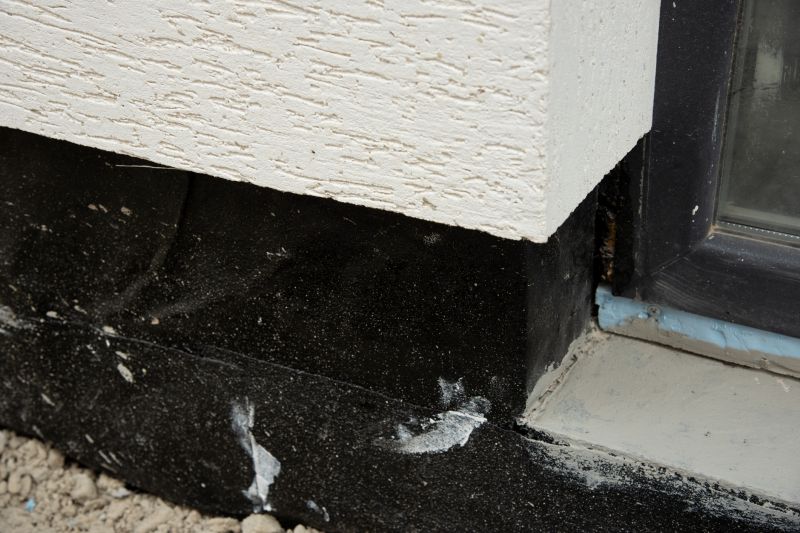
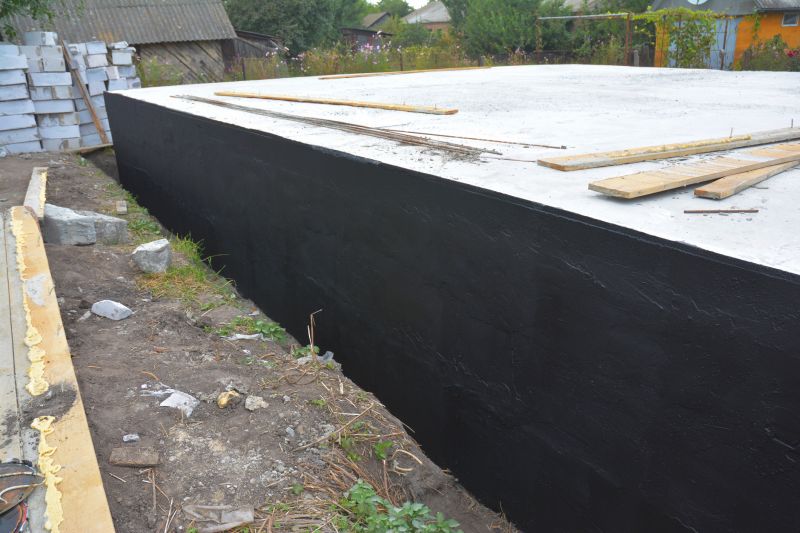
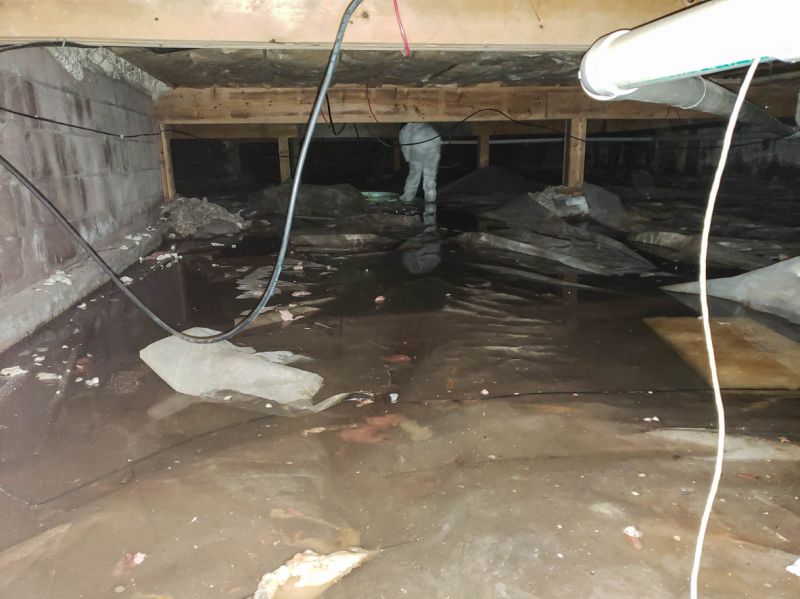
When searching for basement waterproofing solutions for finished basements, homeowners are typically looking to prevent or address issues related to moisture, water intrusion, and dampness that can affect the comfort and usability of their living space. Many people who explore this topic are concerned about water seeping through foundation walls or floors, especially after heavy rains or rapid snowmelt. They often seek ways to keep their finished basements dry and to protect valuable belongings, furniture, or even their home's structural integrity. The focus is usually on finding effective methods that work without disrupting the aesthetic or functionality of the finished space.
These projects are closely related to problems such as basement flooding, mold growth, musty odors, and peeling paint or warped flooring. Homeowners may notice signs like water stains on walls, dampness in the corners, or increased humidity levels. Plans for basement waterproofing solutions often involve a combination of interior and exterior strategies, including sealing cracks, installing drainage systems, or applying waterproof coatings. Many are also interested in solutions that can be integrated into existing finished spaces without requiring extensive demolition. Local contractors who specialize in basement waterproofing can assess the specific issues, recommend appropriate measures, and implement solutions tailored to the property’s needs.
Properties that typically come up in discussions about finished basement waterproofing are single-family homes, especially those in areas prone to heavy rainfall or with high water tables. Older homes with aging foundations may also be common candidates, as they often have more vulnerabilities to water intrusion. Additionally, homes built on slopes or with poor drainage around the foundation are often more susceptible to moisture problems. Commercial properties with finished basements or underground levels may also seek waterproofing solutions, but residential properties remain the most common. These projects require a careful evaluation of the property’s foundation, grading, and existing waterproofing measures to ensure the chosen solutions are effective and durable.
Connecting with experienced service providers is essential for homeowners looking to address basement waterproofing in finished spaces. Local pros can perform thorough inspections to identify sources of moisture and recommend suitable methods to keep basements dry. They might offer a range of services, from installing interior drainage systems and sump pumps to applying waterproof sealants and exterior barriers. Since every property is different, working with local contractors ensures solutions are customized to the specific conditions of the home. This approach helps homeowners protect their finished basements from future water problems, making it easier to enjoy the space without concerns about moisture or damage.
Foundation Repair - foundation repair projects often involve addressing structural issues that can lead to water intrusion, making them closely related to basement waterproofing solutions for finished basements.
Drainage System Installation - installing proper drainage systems is essential for preventing water accumulation around foundations, a key aspect of basement waterproofing for finished spaces.
Interior Waterproofing - interior waterproofing techniques, such as sealing walls and installing sump pumps, are commonly performed by local contractors specializing in basement waterproofing solutions.
Crawl Space Encapsulation - this process involves sealing and insulating crawl spaces to prevent moisture and water problems that can affect finished basements.
Basement Finishing and Remodeling - contractors who finish basements often work with waterproofing specialists to ensure the space remains dry and protected from water damage.
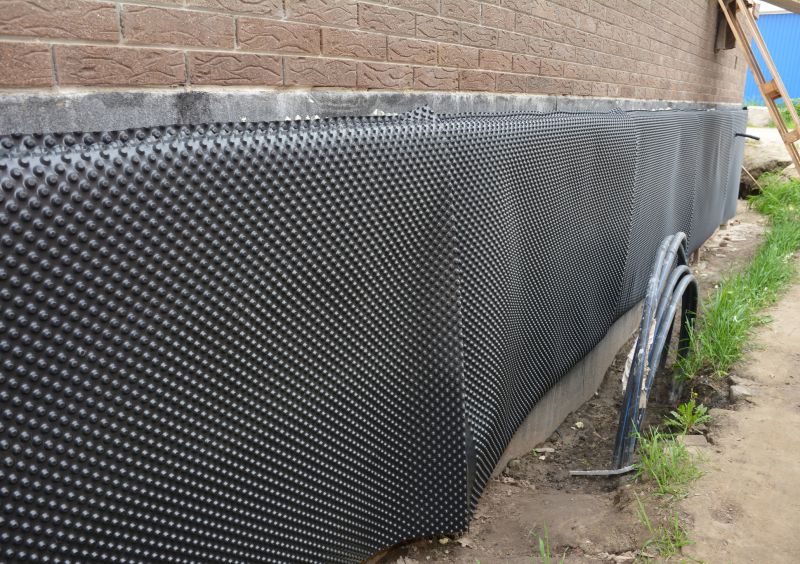
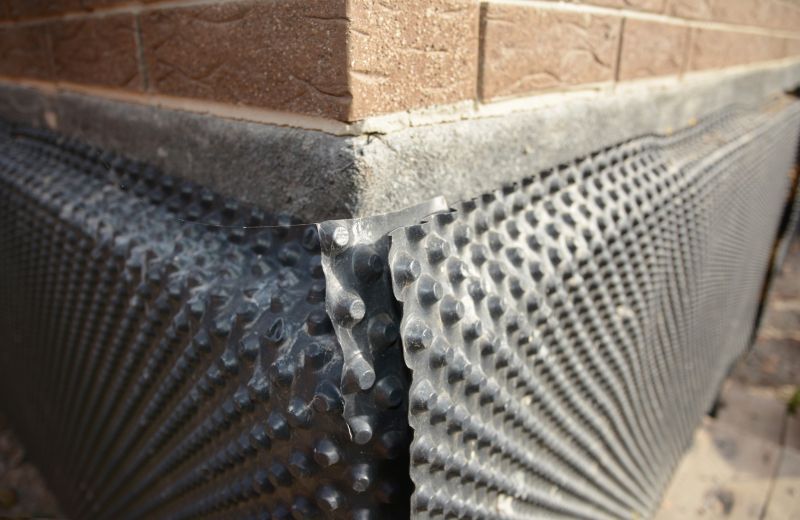
Waterproofing Membrane Application - applying waterproof membranes to foundation walls is a common service offered by local service providers to enhance basement moisture resistance.
When evaluating service providers for basement waterproofing solutions for finished basements, it’s important to consider their experience with similar projects. Homeowners should inquire about how many finished basement waterproofing jobs they have completed and whether they have encountered challenges similar to those in the current project. A contractor with a proven track record in handling finished basement spaces can offer insights into effective methods and potential issues, helping to ensure the chosen solution is appropriate and reliable.
Clear, written expectations are essential when comparing local contractors. Homeowners should seek detailed proposals that outline the scope of work, materials to be used, and the estimated process for completing the waterproofing. Having this information in writing helps prevent misunderstandings and provides a basis for comparing different service providers. It also allows homeowners to verify that the contractor’s approach aligns with their specific needs for finished basement waterproofing.
Reputable references and effective communication are key factors in selecting a dependable contractor. Homeowners are encouraged to ask for references from previous clients who had similar basement waterproofing projects completed. These references can provide insights into the contractor’s professionalism, quality of work, and ability to meet deadlines. Additionally, good communication throughout the process-such as responsiveness to questions and clarity in explanations-can help ensure that the project proceeds smoothly and that expectations are met.
Property owners often search for basement waterproofing solutions for finished basements when they are planning practical projects around their homes and businesses. Local pros provide Basement Waterproofing Solutions services for everyday jobs and straightforward project options.
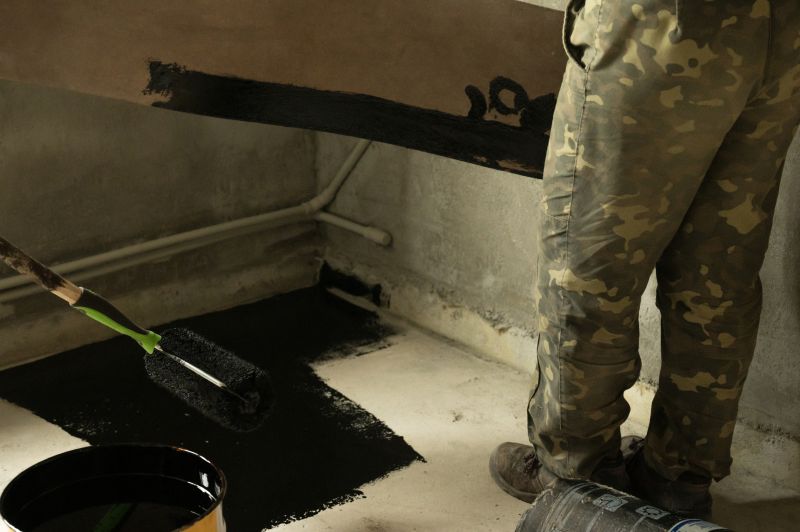
Property owners in the area often search for basement waterproofing solutions for finished basements when they notice signs of moisture or water intrusion, especially after heavy rains or rapid snowmelt. Many are concerned about maintaining a dry, comfortable space for family activities, storage, or even additional living areas. In these situations, local contractors who specialize in basement waterproofing can assess the unique conditions of a home and recommend effective solutions to prevent future water issues, ensuring the finished basement stays dry and protected.
Homeowners may also look into basement waterproofing services when they experience ongoing dampness, mold, or musty odors that affect indoor air quality. These issues can be particularly frustrating in finished spaces where aesthetics and comfort matter. Local service providers can offer various waterproofing methods tailored to the specific needs of finished basements, helping property owners preserve the integrity of their living areas while avoiding costly repairs down the line.
What are common basement waterproofing solutions for finished basements? Common solutions include interior sealants, sump pumps, drainage systems, and vapor barriers, which help prevent water intrusion and manage moisture in finished basements. Local contractors can assess the specific needs of a basement and recommend the most effective options.
How do waterproofing solutions protect a finished basement? Waterproofing solutions work to block water entry, reduce humidity, and control moisture levels, helping to preserve the integrity of finished basement spaces and prevent issues like mold, mildew, and structural damage.
Can waterproofing be done without damaging finished basement features? Yes, many waterproofing methods are minimally invasive and designed to preserve finished basement features. Experienced service providers can implement solutions that protect existing walls, floors, and finishes during installation.
What types of waterproofing systems are suitable for finished basements? Suitable systems include interior drainage systems, sump pumps, vapor barriers, and sealants, which can be installed with minimal disruption and tailored to the specific layout of a finished basement.
How do local service providers determine the best waterproofing approach for a finished basement? They evaluate the basement’s construction, water intrusion sources, and moisture levels to recommend targeted solutions that effectively address the specific waterproofing needs of the finished space.
Assessing water entry points - Identifying common sources of moisture, such as cracks or leaks, helps property owners work with local contractors to develop targeted waterproofing strategies for finished basements.
Choosing appropriate waterproofing methods - Exploring options like interior sealants, sump pumps, or drainage systems allows property owners to select solutions suited to their basement's specific needs with help from local service providers.
Planning for interior finishing adjustments - Considering how waterproofing solutions might impact basement layout or flooring choices enables property owners to coordinate with local pros for seamless integration.
Implementing ongoing moisture control measures - Establishing routine inspections and maintenance routines with local contractors ensures that waterproofing efforts remain effective over time in finished basement spaces.
If you are thinking about basement waterproofing solutions for finished basements for a property, this guide is meant to help you understand this topic, the typical project types, and how different options might fit your plans.
When you are ready, you can use the quote form on this page to share a few details about your project. From there, local pros can review the basics and follow up with options that match what you have in mind.